GameCuki is reader-supported. When you buy through links on our site, we may earn an affiliate commission at no extra cost to you. As an Amazon Associate I earn from qualifying purchases. Learn more.
Sony sells two generations of PS5 headsets, and the Pulse 3D vs Pulse Elite question usually comes from someone who already owns the older one or is eyeing it on sale. The real issue is whether planar drivers, a boom mic and a much longer battery are worth the extra money, or whether the simpler headset already does the job.
Best for a Simple PS5 Headset on a Budget
Pulse 3D
Bottom LineA good fit if you want plug-in PS5 3D Audio and a headset that stays light, as long as you can live with 12 hours of battery and no Bluetooth.
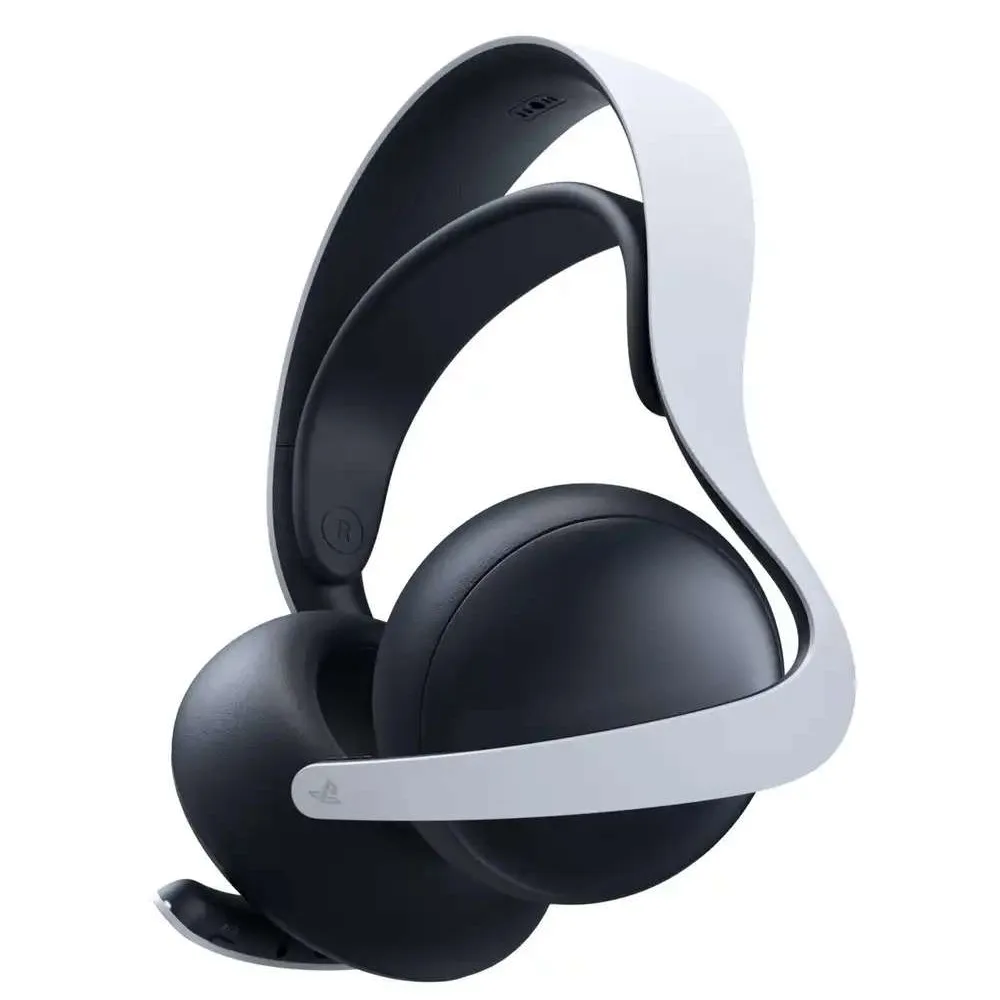
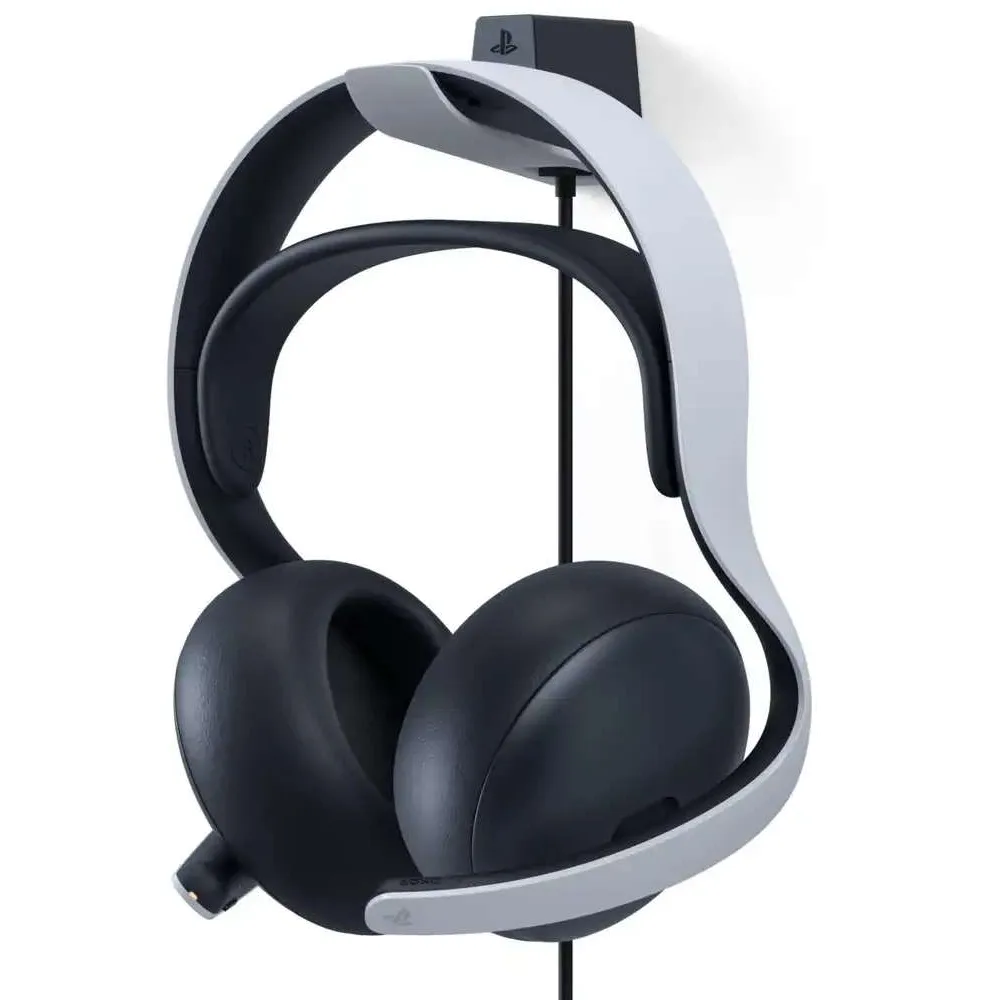
Both headsets follow the white-and-black look of the PS5. The Pulse 3D is the more traditional shape, with a headband that sits over the top of your head and circular earcups. The Pulse Elite uses a looser, ribbon-style band and rounder, deeper cups, and ships with a charging hanger that doubles as a stand.
The Pulse Elite pairs a ribbon-style band with deep, round earcups and a retractable boom mic. (Image: Sony Interactive Entertainment)
Comfort is mostly personal. The Pulse 3D is the lighter and simpler of the two,, with less bulk on the head. The Elite’s deep cups give your ears more room, but the design is bulkier on the head.
Sound: Planar Drivers Are the Biggest Upgrade
This is where the two split most. The Pulse 3D uses 40mm dynamic drivers tuned for PS5 3D Audio. The Pulse Elite switches to planar magnetic drivers, which Sony says deliver deeper bass and more precise positioning of audio cues in games that support 3D Audio. For single-player games with rich sound design, the Elite is the more detailed listen.
Both let you adjust sound from the PS5, but the Elite adds three presets and three custom EQ slots, so you can tune it for chat, footsteps or music. Neither headset has noise cancelling for your ears, so both let some room noise in.
Quick pick: go with the Pulse Elite if sound quality is the reason you are shopping. Keep the Pulse 3D if you mostly play fast online games where clear footsteps matter more than deep bass.
Microphone: Hidden Mics vs a Boom Mic
The Pulse 3D relies on two hidden, noise-cancelling microphones built into the headset, with mic mute and mic monitoring controls. That keeps the look clean, but hidden mics sit far from your mouth. The Pulse Elite has a retractable flexible boom mic with AI-enhanced noise rejection, which sits closer to your voice and tucks away when you are done. If you chat with a squad every night, this is the upgrade you will notice first.
Battery Life and Connections
The Pulse 3D lasts up to 12 hours on its built-in battery and connects through a USB wireless adaptor to PS5, PS4 and compatible Windows and macOS computers. A 3.5mm jack covers PlayStation VR and mobile devices, though the built-in controls do not work on those.
The Pulse Elite hangs from its charging hanger. (Image: Sony Interactive Entertainment)
The Pulse Elite lasts up to 30 hours and gets up to 2 hours from a 10-minute charge. It uses PlayStation Link with a USB adapter for PS5, PC, Mac and PlayStation Portal, and adds Bluetooth for phones and tablets. Dual-device mode plays PlayStation Link and Bluetooth audio at the same time, so you can take a call while the game keeps running.
Quick pick: go with the Pulse Elite if you want Portal support or Bluetooth. The Pulse 3D is fine if you only ever play on a PS5 at a desk.
Pulse 3D vs Pulse Elite: Full Specs
Feature
Pulse 3D
Pulse Elite
Drivers
40mm dynamic
Planar magnetic Wins
Battery life
Up to 12 hours
Up to 30 hours Wins
Quick charge
Not listed
10 minutes for up to 2 hours Wins
Microphone
Two hidden noise-cancelling mics
Retractable boom mic with AI noise rejection Wins
Wireless
USB wireless adaptor
PlayStation Link USB adapter plus Bluetooth Wins
Works with
PS5, PS4, Windows, macOS
PS5, PC, Mac, PlayStation Portal Wins
Wired
3.5mm jack for PS VR and mobile
3.5mm jack
Sound tuning
Adjustable from PS5 menu
Three presets and three custom EQ slots Wins
Included extras
Wireless adaptor
Charging hanger, carrying case, USB adapter Wins
And the Winner Is…
WinnerPulse Elite
The Pulse 3D is the easier headset to live with. It is lighter, simpler and does 3D Audio on PS5 well enough that plenty of players never feel the need to change. The Pulse Elite is the stronger choice for most people deciding between them because it fixes the things you notice every day: a proper boom mic, a battery that lasts roughly two and a half times longer, Bluetooth for your phone and PlayStation Portal support. The planar drivers also give games more depth. Stick with the Pulse 3D if you already own one and it still works, if you play only on PS5 and never use chat, or if you find it at a clearly lower price. For everyone else, the Pulse 3D vs Pulse Elite decision lands on the Elite.
If you chat often or want one headset for PS5, Portal and your phone, yes, the Pulse Elite is worth the jump. If your Pulse 3D still sounds good and you rarely use the mic, keep it. Choosing a different brand entirely is a separate question, and our guide to the best headset for PS5 covers it, while our Pulse Elite vs INZONE H9 comparison covers the step up to noise cancelling.
I'm Sean, and I write the comparisons on GameCuki. I cover anything gamers weigh up before buying: consoles and handhelds, PC components and gaming laptops, monitors, controllers, headsets and accessories, plus subscriptions and services like Game Pass and PlayStation Plus. I put both options on the same checklist, using official specs, professional reviews and owner feedback, and I only mention what owners say when at least two of them report the same thing. Every comparison ends with one clear verdict and the type of player each option suits. I don't accept free products or payment from brands, and what I write comes from research, not my own use of the products. You can read my full process on our How We Review page.
Areas of Focus
Controller Match-UpsHeadset Match-UpsConsole vs. ConsoleSpecs & Latency