GameCuki is reader-supported. When you buy through links on our site, we may earn an affiliate commission at no extra cost to you. As an Amazon Associate I earn from qualifying purchases. Learn more.
Sony sells two very different wireless headsets to PlayStation owners, and they split on one question: do you want a simple plug-in-and-play PS5 headset or one that shuts the room out? The Sony Pulse Elite vs Sony INZONE H9 choice also depends on whether your PC matters. Here is how they compare on sound, noise cancelling, mic, battery and connections.
Best for PS5 and PlayStation Portal
Sony Pulse Elite
Bottom LineThe easier pick for PS5 players who want planar sound, a mic that tucks away and a 3.5mm cable option, as long as you can live without noise cancelling.
Bottom LineThe better fit for players in loud homes or on a PC who want active noise cancelling and a lighter headset, as long as a flip-up mic and no cable mode are fine.
This comparison uses the original INZONE H9 (model WH-G900N). Sony has since released a different headset, the INZONE H9 II, which is lighter and has a detachable mic, so do not mix their specs. If you mostly play on PS5, our best headset for PS5 list shows how these two stack up against other options.
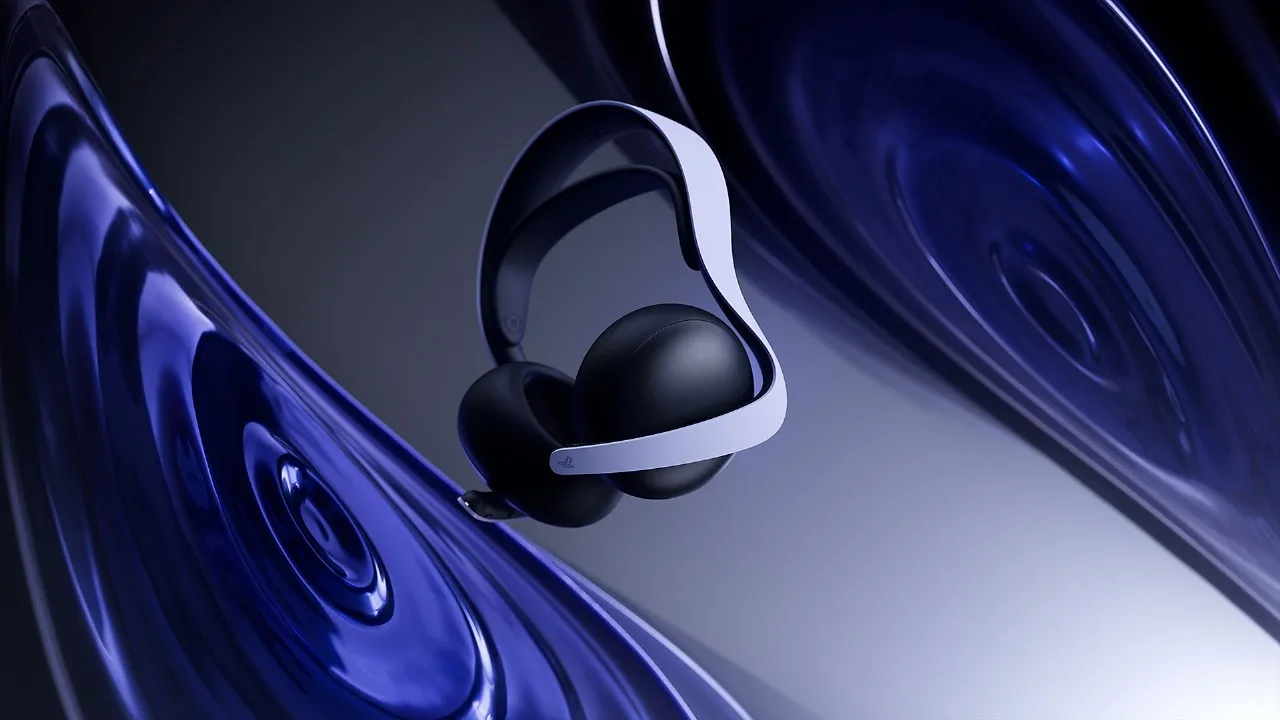
The Pulse Elite uses planar magnetic drivers, a driver type built for low distortion and fine detail. In practice that means detailed footsteps and quiet ambient cues in story games, with the console’s 3D Audio positioning cues in supported PS5 games. Its tuning is balanced, with bass and treble only slightly raised, so voices and effects stay clear without a boomy low end.
The H9 uses 40mm dynamic drivers and adds 360 Spatial Sound for Gaming, a virtualizer that Sony says helps you pinpoint where an opponent is. The catch is that it is switched on through the INZONE Hub app, which needs Windows 10 (64-bit) or later. So the spatial feature mainly helps you if you play on a PC, and it comes with extra setup before it does anything.
The Pulse Elite is built around planar magnetic drivers. (Image: PlayStation)
Noise Cancelling: Only the H9 Has It
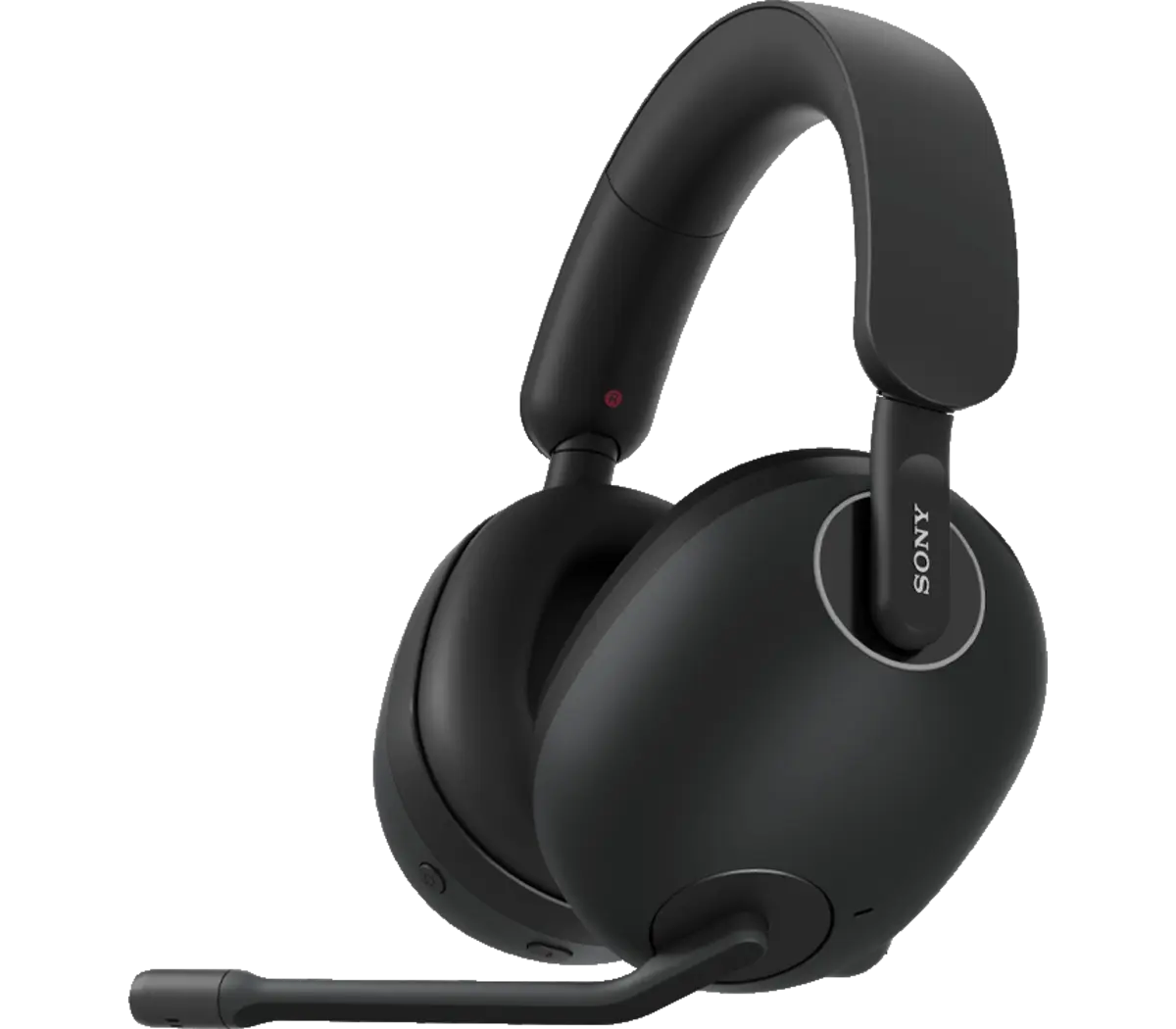
This is the clearest gap between the two. The H9 uses Sony’s Dual Noise Sensor technology, the same system found in its 1000X headphones, and one button switches between noise cancelling and Ambient Sound mode. That helps if you game next to a loud fan, a roommate or street noise, and Ambient mode lets you hear a doorbell without pulling the headset off.
The Pulse Elite has no active noise cancelling. Its ear cups block some sound passively, but it will not remove a steady hum, so it suits a quiet room better. Its AI noise rejection only cleans up your voice on the mic, not what you hear.
The INZONE H9 is the one with active noise cancelling. (Image: Sony)
Go with the H9 if you often play in a noisy house, an apartment or near a loud PC fan. In a quiet room, the Pulse Elite gives up very little here.
Microphone: Retractable Boom vs Flip-Up Boom
The Pulse Elite hides its boom mic inside the left arm, so you can pull it out for a squad call and push it back in when you are done. Sony pairs it with AI-enhanced noise rejection that is trained to strip background noise from your voice, and the recording quality is strong, so teammates hear you clearly even if a keyboard or a fan is running nearby.
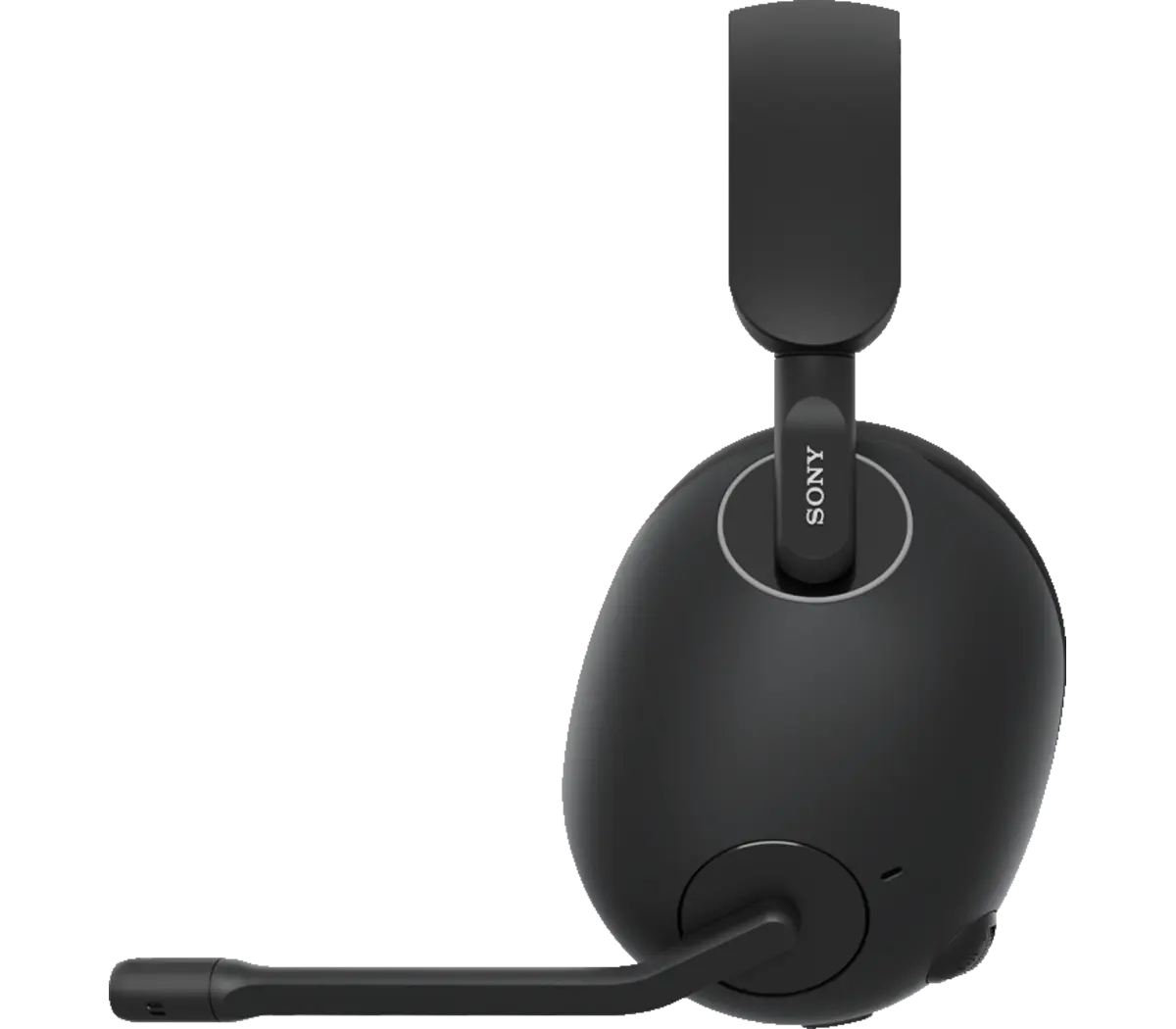
The H9 has a flip-up boom mic that doubles as a mute switch: lift it to mute, drop it to talk. It is easy to use and gives a clear visual signal that you are muted, but it stays on the headset even when you are only listening to music or a movie.
The H9’s boom mic flips up to mute. (Image: Sony)
If teammates keep asking you to repeat yourself, the Pulse Elite’s mic is the safer bet. The H9 makes more sense if a visible, flip-to-mute boom matters more to you than call quality.
Battery and Charging: A Near Tie, With a Faster Top-Up on Pulse Elite
Sony rates the Pulse Elite at up to 30 hours and the H9 at up to 32 hours with noise cancelling off. For most people that is the same result: a week of evening sessions between charges. Turn ANC on and the H9’s figure will drop, though Sony does not publish a number for it.
The gap shows up when you are in a hurry. A 10-minute charge on the Pulse Elite gives up to 2 hours of play, while the same 10 minutes on the H9 gives about 1 hour. A full H9 charge takes around 3.5 hours. The Pulse Elite also comes with a charging hanger, so it can charge while it hangs on your desk.
Connections: Pulse Elite Adds a Cable, H9 Adds PC Software
The Pulse Elite connects over PlayStation Link, a low-latency wireless link that uses the included USB adapter, and works with PS5, PlayStation Portal, PC and Mac. It also has Bluetooth 5.0 and a 3.5mm jack, so you can plug it into a phone with a cable when you do not want to rely on the battery. Moving between a PS5 and a PC means swapping the adapter or buying a second one.
The H9 uses a 2.4GHz USB transceiver for PS5 and PC and Bluetooth 5.0 for a phone, and both connections can run at once so you can take a call while you play. It has no 3.5mm wired mode, though Sony says you can keep playing while it charges over USB. Only the Pulse Elite works as a true wired headset.
Need a wired backup or a headset built around the PS5 and Portal? That is the Pulse Elite. If the headset will live on a PC and a phone, the H9 fits better.
Comfort and Design: Planar Heft vs a Lighter Fit
Weight is close but not equal. The Pulse Elite is about 347 g, and its large, rounded cups can feel bulky and warm in a hot room. The H9 is about 330 g in white and 335 g in black, with soft-fit ear pads that Sony says keep side pressure low, so a long evening should feel a little lighter on your head.
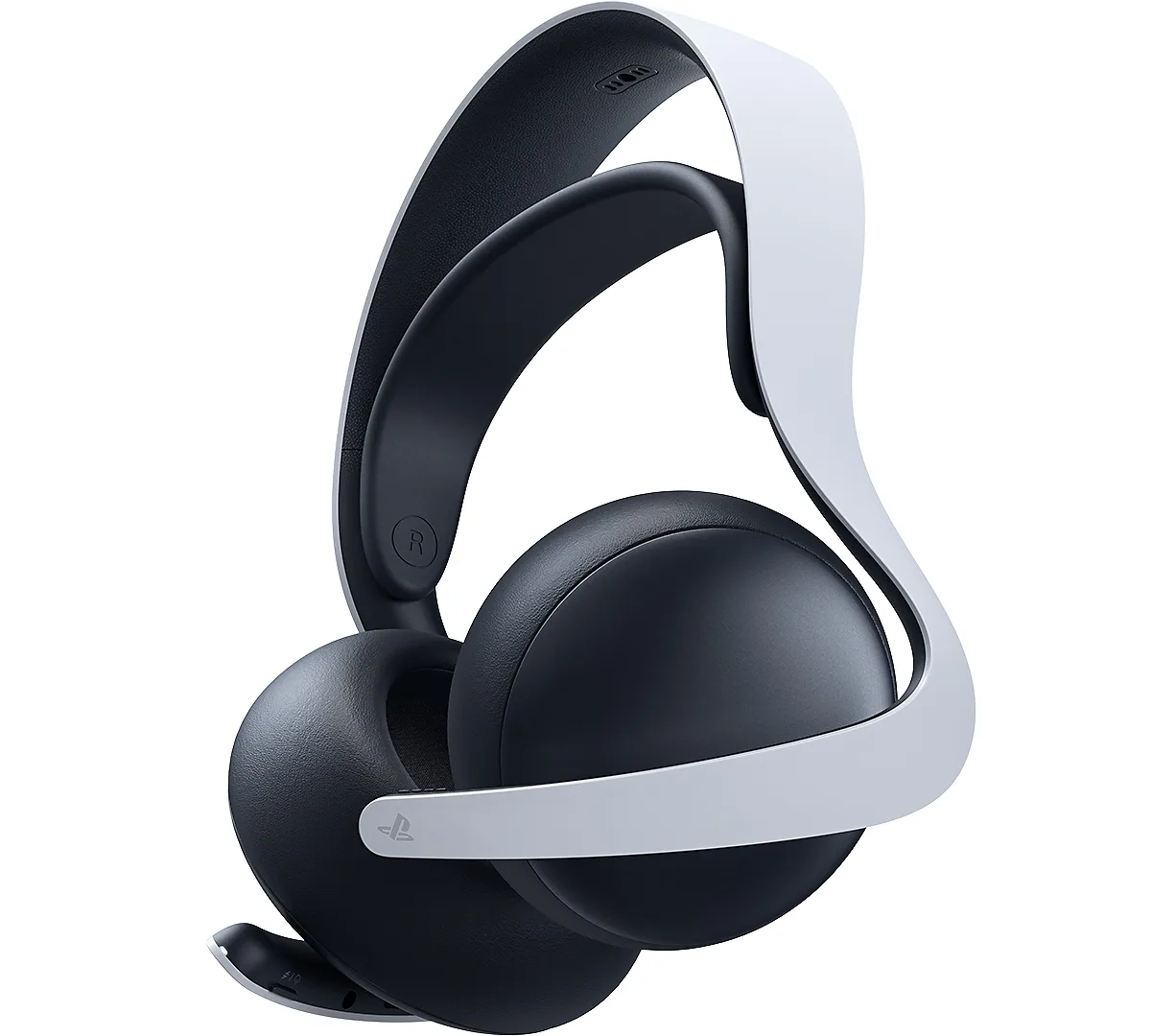
The Pulse Elite follows the look of the PS5 itself, in white and black, which matters if you want matching gear. The H9 is more understated and looks less like a console accessory.
The Pulse Elite matches the white-and-black PS5 design. (Image: PlayStation)
The INZONE H9 does real things the Pulse Elite cannot. It has active noise cancelling, a lighter feel, a slightly longer battery and a PC spatial-audio app. But most people shopping between these two are PS5 owners, and for them the Pulse Elite is the simpler headset, with a mic that tucks away, a cable fallback and a quick charge that gets you back in a match fast. Pick the H9 if you play in a loud room or mainly on PC. Pick the Pulse Elite if the PS5 is your main screen and you want the headset that asks the least of you.
Final Thoughts on Sony Pulse Elite vs Sony INZONE H9
For the Sony Pulse Elite vs Sony INZONE H9 decision, start with your room and your platform. A loud house, a PC desk or a long-session habit points to the H9, since noise cancelling and a lighter fit are things you notice every day. A PS5-first setup in a quieter room points to the Pulse Elite, which handles the console without extra software. If you play competitive shooters and want to hear footsteps, see our best gaming headset for hearing footsteps guide too.
I'm Sean, and I write the comparisons on GameCuki. I cover anything gamers weigh up before buying: consoles and handhelds, PC components and gaming laptops, monitors, controllers, headsets and accessories, plus subscriptions and services like Game Pass and PlayStation Plus. I put both options on the same checklist, using official specs, professional reviews and owner feedback, and I only mention what owners say when at least two of them report the same thing. Every comparison ends with one clear verdict and the type of player each option suits. I don't accept free products or payment from brands, and what I write comes from research, not my own use of the products. You can read my full process on our How We Review page.
Areas of Focus
Controller Match-UpsHeadset Match-UpsConsole vs. ConsoleSpecs & Latency