GameCuki is reader-supported. When you buy through links on our site, we may earn an affiliate commission at no extra cost to you. As an Amazon Associate I earn from qualifying purchases. Learn more.
Both games hand you a sword and drop you into feudal Japan, but they ask very different things of you once the first duel starts. The Sekiro vs Ghost of Tsushima question is really about patience: do you want a tight, punishing parry duel or an open island you can take at your own pace?
Best for Parry Duels and Boss Fights
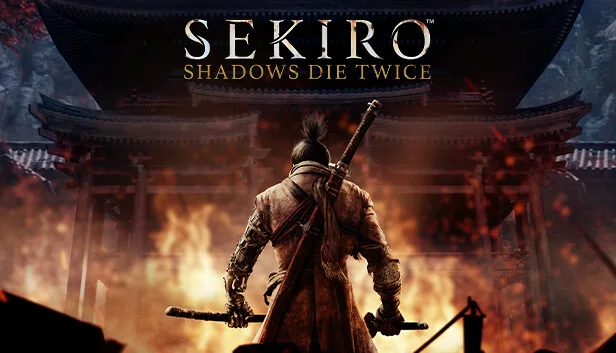
Sekiro: Shadows Die Twice
Bottom LinePick it if you want a precise, no-difficulty-menu action game built around reading enemies, and you are willing to die many times to learn a boss.
Bottom LinePick it if you want a cinematic samurai story, flexible difficulty and a big island to wander, with combat that rewards you without punishing every slip.
Sekiro’s fights target posture, not just health. You deflect attacks to break an enemy’s balance, then finish them with a single deathblow. Your toolkit is small, mainly the katana and a prosthetic arm, plus a grappling hook for movement, so each duel is about reading the opponent rather than choosing a gadget.
Sekiro: Shadows Die Twice – Gameplay Overview | PS4
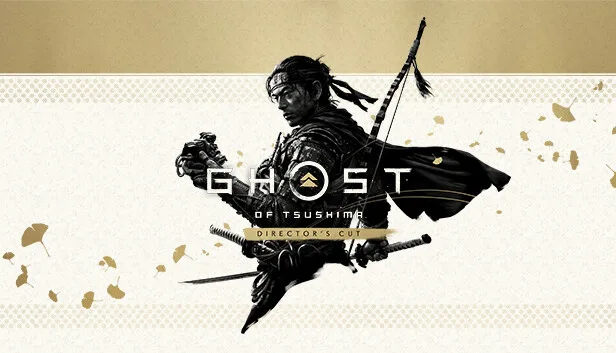
Ghost of Tsushima also leans on parries and dodges, but it gives you far more to work with. You carry a katana, a dagger, two bows, bombs and distraction tools, and four sword stances (stone, water, wind and moon) are tuned to different enemy types, with a ghost stance unlocked later. Stealth and assassinations are a real alternative to fighting head-on.
Go with Sekiro if you want the sharper, more demanding sword fight. Ghost of Tsushima is the better fit if you like having options in a fight.
Difficulty: Sekiro Has No Easy Mode
Sekiro has no difficulty presets, and its bosses punish small mistakes. Dying is part of the loop: you can revive on the spot using resurrection power, which you recover by defeating enemies, rather than reloading at a checkpoint. The skill ceiling is high, and that is the point.
Ghost of Tsushima is much easier to get into. It has multiple difficulty options, and its hardest setting makes most non-boss fights end after one or two hits for both you and your enemies. If you have bounced off hard action games before, this is the safer starting point.
Bosses and Enemies: Sekiro Has the Wilder Roster
Sekiro’s bosses are varied, from armored samurai with enormous swords to supernatural creatures, and most need their own approach. That variety is a big reason the game is remembered for its boss fights.
Ghost of Tsushima stays closer to history, so many of its big fights are one-on-one duels with a similar rhythm, often settled by timing parries well. They fit the story, but they are less surprising than Sekiro’s.
Progression and Customization: Ghost of Tsushima Gives You More to Chase
Neither game has a classic stat-based level system. Sekiro uses a skill tree, prosthetic abilities and gear upgrades, with Prayer Beads and Memories raising health and damage. Ghost of Tsushima follows a more linear, open-world path: weapons, armor and ammo upgrade with materials you collect, Technique Points unlock skills and stances, and charms, dyes, sword kits and headbands add cosmetic variety.
Pick Ghost of Tsushima if you enjoy gathering materials and building out a character over many hours. Sekiro keeps the loadout leaner so the duels stay front and center.
World, Story and Setting: Two Different Japans
Ghost of Tsushima is set on Tsushima Island during the first Mongol invasion of Japan in 1274. It stays mostly grounded, tells a story of honor, loyalty and the cost of war, and leans on wind-guided navigation and a black-and-white Kurosawa mode for its look.
Sekiro takes place in a fictionalized late Sengoku-era Japan around the Ashina clan, and it moves into folklore and the supernatural as it goes. Its world is more compact and more tightly designed, with the grappling hook adding vertical routes. The story is told with a voiced protagonist, and it hangs on the bond between the shinobi Wolf and the heir Kuro.
Multiplayer and Extras: Ghost of Tsushima Offers More
Sekiro is entirely single-player. Ghost of Tsushima Director’s Cut adds the Iki Island expansion and Legends, a co-op mode with four classes and modes including Story, Survival and Rivals. That makes it the easier pick if you want more to do after the campaign. If you are weighing Sekiro against another FromSoftware game, see our Sekiro vs Elden Ring comparison.
Reception and Sales: Both Are Heavy Hitters
Sekiro won Game of the Year at The Game Awards 2019 and has sold more than 10 million copies by September 2023. Ghost of Tsushima was nominated for Game of the Year at The Game Awards 2020, won Best Art Direction and Player’s Voice there, and had passed 13 million copies by September 2024. On Steam, Sekiro sits at 95% positive across 358,190 reviews and Ghost of Tsushima Director’s Cut at 93% across 98,046, both as of October 20, 2026.
Sekiro vs Ghost of Tsushima: Full Specs
Feature
Sekiro
Ghost of Tsushima
Developer
FromSoftware
Sucker Punch Productions (PC port by Nixxes Software)
Setting
Fictionalized late Sengoku-era Japan
Tsushima Island, 1274 Mongol invasion
Release
March 2019 (PS4, Xbox One, PC)
July 17, 2020 (PS4), Director's Cut Aug 20, 2021, PC May 16, 2024
Sekiro wins the sword fight. Its posture system, boss variety and tight design are sharper than anything Ghost of Tsushima does in combat, and it asks for a level of focus the other game never demands. For most people, though, Ghost of Tsushima is the better overall pick in this Sekiro vs Ghost of Tsushima matchup. Difficulty options, stealth, stances, a large island to explore, Iki Island and Legends co-op give you far more ways to play, and the story is easy to follow. Choose Sekiro if you want a pure duel game, enjoy learning bosses through repetition and do not need an easy setting to get through it.
I'm Sean, and I write the comparisons on GameCuki. I cover anything gamers weigh up before buying: consoles and handhelds, PC components and gaming laptops, monitors, controllers, headsets and accessories, plus subscriptions and services like Game Pass and PlayStation Plus. I put both options on the same checklist, using official specs, professional reviews and owner feedback, and I only mention what owners say when at least two of them report the same thing. Every comparison ends with one clear verdict and the type of player each option suits. I don't accept free products or payment from brands, and what I write comes from research, not my own use of the products. You can read my full process on our How We Review page.
Areas of Focus
Controller Match-UpsHeadset Match-UpsConsole vs. ConsoleSpecs & Latency