GameCuki is reader-supported. When you buy through links on our site, we may earn an affiliate commission at no extra cost to you. As an Amazon Associate I earn from qualifying purchases. Learn more.
Same studio, same party-based formula, two very different rulebooks. Baldur’s Gate 3 vs Divinity Original Sin 2 is a choice between Dungeons & Dragons dice and a sandbox of action points, and the answer depends on what kind of RPG you want to spend 80-plus hours inside.
Best for Story and Cinematic Drama
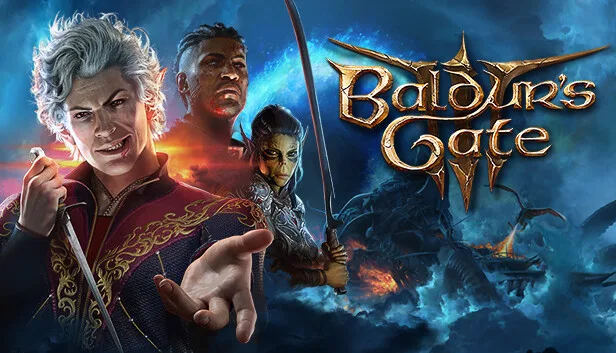
Baldur's Gate 3
Bottom LinePick it if you want a D&D-based epic with fully voiced cutscenes, deep companions and a story that reacts to almost everything you do.
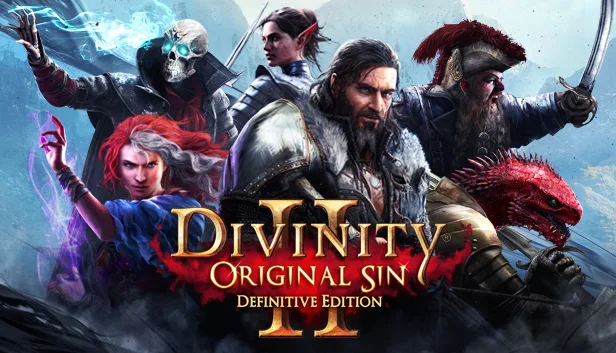
Divinity: Original Sin 2 gives each character a pool of action points per turn, so you can move, cast, swap gear and attack as long as the points last. Armor and magic armor bars sit on top of health, which makes the system easy to read for newcomers and generous for veterans who like to plan long chains of moves.
Baldur’s Gate 3 follows Dungeons & Dragons 5th edition. Each turn gives a character an action, a bonus action and movement, attacks roll a d20 against armor class, and “advantage” and “disadvantage” tilt the odds. The hit chance is shown before you commit, which keeps the dice from feeling random, but the system is tighter and more rule-heavy than Divinity’s.
Both games reward using the battlefield. Grease plus fire burns, a fire arrow into ice leaves water, and explosive barrels can end a fight in one turn.
Baldur's Gate 3: Launch Trailer
Go with Baldur’s Gate 3 if you want classic D&D class fantasy. Go with Divinity: Original Sin 2 if you would rather break the rules with clever combos.
Story and Presentation: Baldur’s Gate 3 Is More Cinematic
Baldur’s Gate 3 starts with a mind flayer parasite in your head and builds toward a three-act story set in the Forgotten Realms. Major beats and companion scenes play out as voiced cutscenes, so the drama feels staged rather than narrated.
Divinity: Original Sin 2 tells a Godwoken story about a world where the Divine is dead and the Void is closing in. It is told from a fixed isometric view, and a lot of key moments come through dialogue and narration. The writing is strong, but the presentation is plainer.
Divinity: Original Sin 2 – Launch Trailer
Companions: Why Baldur’s Gate 3 Feels More Personal
Both games let you build a party and talk to the people in it, and both companion casts are well written. Baldur’s Gate 3 leans harder into relationships, with camp conversations, personal quests and companions who react to your choices and can leave you if you cross them.
Divinity: Original Sin 2 asks you to lock in your party after the first act, and the companions you leave behind are no longer available. That fits its tactical focus, but it means you may never see some characters’ stories on a first run.
Difficulty: Which Game Is Harder?
Both games can be made as forgiving or as punishing as you like, but they get there in different ways. Divinity: Original Sin 2 changes difficulty mostly through stats, so enemies hit harder and have more health. It can feel static, and a wrong build or a mismatch in level can stall a run.
Baldur’s Gate 3 has a more layered approach. Its hardest setting adds more enemy tools and units to encounters rather than only raising numbers. Newcomers who are not familiar with D&D rules may find the early hours harder to learn.
Co-op: Both Games Support It
Steam lists online co-op for both games. Divinity: Original Sin 2 allows a party of up to four players and also lists shared and split-screen co-op on Steam, which makes it a natural couch game. Baldur’s Gate 3 lists online and LAN co-op on Steam, and its console versions support split-screen. If you plan to play with a friend on the same sofa, Divinity: Original Sin 2 is the more straightforward PC choice.
Baldur’s Gate 3 vs Divinity Original Sin 2: Full Specs
Feature
Baldur's Gate 3
Divinity: Original Sin 2
Release date (Steam)
Aug 3, 2023
Sep 14, 2017 (Definitive Edition listing)
Developer
Larian Studios
Larian Studios
Combat system
D&D 5e turn-based (action, bonus action, movement)
Turn-based with action points Wins
Camera
Free camera, top-down to third person
Isometric
Co-op on Steam
Online and LAN
Online and shared/split screen Wins
Steam user reviews (Oct 19, 2026)
96% positive of 862,640 Wins
95% positive of 206,887
Metacritic (Steam page)
96 Wins
93
PC minimum OS
Windows 10 64-bit
Windows 7 SP1 64-bit or newer Wins
PC minimum RAM
8 GB
4 GB Wins
PC minimum storage
150 GB (SSD required)
60 GB Wins
PC minimum GPU
GTX 970 / RX 480
GTX 550 / Radeon HD 6XXX Wins
Is Baldur’s Gate 3 Better Than Divinity: Original Sin 2? The Winner
WinnerBaldur's Gate 3
Divinity: Original Sin 2 deserves credit for what it does better. Its action-point combat is easier to learn, its sandbox rewards experimentation, and it runs on much older hardware with split-screen co-op ready out of the box. Baldur’s Gate 3 is the more complete experience for most players, though. Cinematic cutscenes, stronger companion writing and a more polished difficulty curve make the story feel bigger, and its Steam score and Metacritic rating sit slightly higher. Pick Divinity: Original Sin 2 if you want pure tactical freedom on a modest PC. For everyone else deciding on Baldur’s Gate 3 vs Divinity Original Sin 2, start with Baldur’s Gate 3.
Start with Baldur’s Gate 3 if you want a cinematic, story-first RPG and are comfortable with D&D rules. Start with Divinity: Original Sin 2 if you prefer tactical sandbox fights, play with friends on one screen or have an older PC. Neither is a mistake, since both are among the best-reviewed RPGs on Steam. If you want a harder, real-time alternative after either one, see our Sekiro vs Elden Ring comparison.
I'm Sean, and I write the comparisons on GameCuki. I cover anything gamers weigh up before buying: consoles and handhelds, PC components and gaming laptops, monitors, controllers, headsets and accessories, plus subscriptions and services like Game Pass and PlayStation Plus. I put both options on the same checklist, using official specs, professional reviews and owner feedback, and I only mention what owners say when at least two of them report the same thing. Every comparison ends with one clear verdict and the type of player each option suits. I don't accept free products or payment from brands, and what I write comes from research, not my own use of the products. You can read my full process on our How We Review page.
Areas of Focus
Controller Match-UpsHeadset Match-UpsConsole vs. ConsoleSpecs & Latency