GameCuki is reader-supported. When you buy through links on our site, we may earn an affiliate commission at no extra cost to you. As an Amazon Associate I earn from qualifying purchases. Learn more.
Standing in front of two of the best samurai adventures on PlayStation and only one free weekend? Ghost of Tsushima vs Ghost of Yotei is the question Sucker Punch fans keep asking. One is a tight, emotional war story. The other has a bigger toolbox and more freedom. Combat, exploration, story and platforms decide it.
Best for Story and PC Players
Ghost of Tsushima
Bottom LineThe pick if you want a tightly told war story, the option to play on PC, and a sharp stealth game that started the series.
Bottom LineThe better game to play if you own a PS5 and want deeper combat, a more open world and the newer sequel, even if its story lands a little softer.
Setting and Protagonist: Jin on Tsushima, Atsu in Ezo
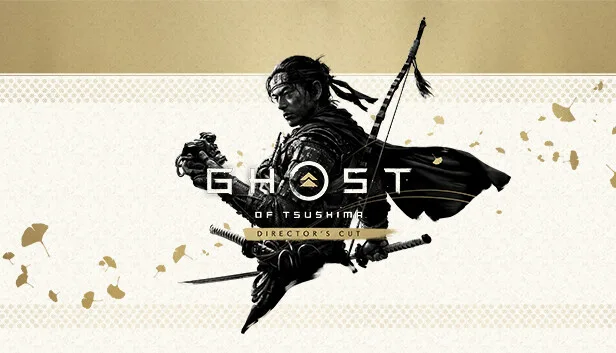
Ghost of Tsushima opens in 1274, when a Mongol fleet led by Khotun Khan invades Tsushima Island. You play Jin Sakai, a samurai and the nephew of Lord Shimura, who has to decide how far he will bend the warrior code to save his home.
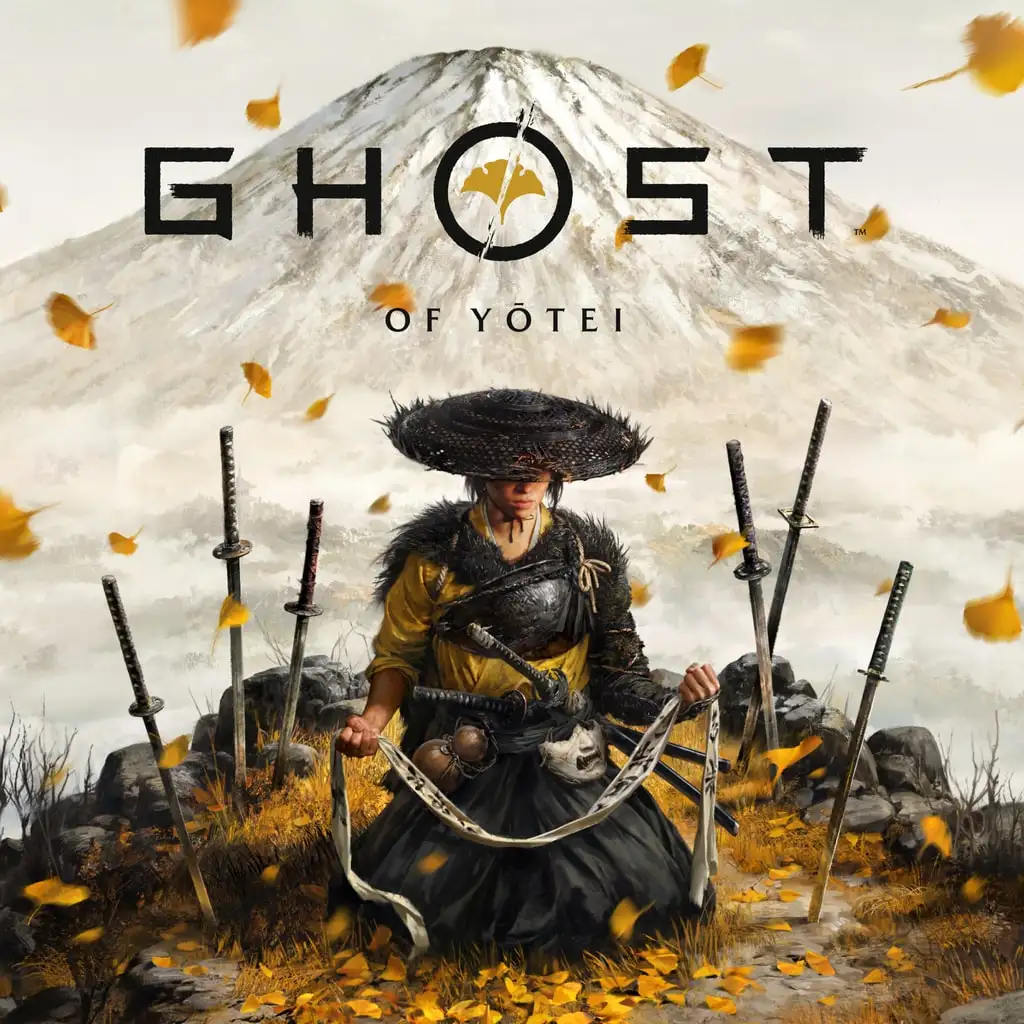
Ghost of Yotei is a standalone sequel set in 1603 around Mount Yotei in Ezo, now Hokkaido, 329 years after Tsushima. You play Atsu, a wandering mercenary hunting down the Yotei Six, the group that killed her family sixteen years earlier. Atsu is a colder, more single-minded hero than Jin, while Jin’s inner conflict gives his story more weight. Both are strong leads.
Ghost of Yōtei – Launch Trailer | PS5 Games
Combat: Yotei Gives You More Tools
Ghost of Yotei does not reinvent Tsushima’s sword fighting. It polishes it and adds options. Instead of swapping stances, Atsu swaps weapons, and each one is good against a different type of enemy. She starts with a katana and unlocks a yari (spear), a kusarigama (chain-sickle), an odachi (two-handed greatsword) and dual katana. Bows return, and she can later use a matchlock rifle and pistol.
You can also disarm enemies mid-fight and use their weapons against them, and a wild wolf can join in when you summon it. Tsushima still feels great to control, with a focus on parrying, dodging, bombs and a longbow, but it simply has fewer ways to handle a crowd.
If you want the more varied fighter, go with Yotei. If you like a leaner system built around a single katana, Tsushima does not feel dated next to it.
Stealth: Tsushima Builds It Faster
Stealth is the one place where Yotei starts behind. Jin learns to crouch in tall grass, track enemies with detection meters and make silent takedowns early on, and Focused Hearing, which outlines enemies through walls, arrives early too. Atsu gets the same tool much later, and her stealth skills take longer to unlock.
Yotei does pay that back with better chain assassinations, easier ways to kill from a distance, and certain enemies that require specific skills to take down, so its stealth is more demanding once it is fully built. For a fast, satisfying sneak-and-strike game from the first hours, Tsushima is the stronger one.
Exploration: Yotei Hides More, Tsushima Guides You
Tsushima’s map points out places worth visiting, which suits players who want a clear checklist. Yotei hands out far less. You discover locations by traveling, talking to people and gathering clues, and that sense of finding things yourself makes its world more rewarding to explore.
The world also opens up faster. Tsushima starts slowly, and Jin is weakened early on. Atsu has far more freedom from the start and can often pick the order in which she goes after some of the Yotei Six. The sequel has more side content, mini-games like Zeni Hajiki and mountain shrines that challenge your climbing. It also keeps you busy spending coin on everything the world offers.
The two maps are roughly the same size, but Yotei feels bigger because its story is less linear.
Quick pick: take Tsushima if you want clear directions, take Yotei if you want to wander.
Story and Villains: Tsushima Hits Harder
Both games are well written, but Tsushima is the more cohesive one. Its story follows one invasion from start to finish, and the confrontation between Jin and Lord Shimura is the emotional high point of the series. Khotun Khan is more of a generic invader, but a charismatic one, and the land itself is devastated by war, which gives Tsushima a heavier mood.
Yotei’s structure is looser. The freedom to choose your missions means the writing takes a small hit, and some areas feel safe despite the conflict. In exchange, its villains are stronger as a group. Most of the Yotei Six are more compelling than Khotun Khan, and the cast is well acted.
Quick pick: pick Tsushima for the better story, pick Yotei for the better rogues gallery.
Do You Need to Play Tsushima Before Yotei?
No. Ghost of Yotei is a standalone sequel with a new hero, a new region and a new era, so you can start with either one without missing the plot. Nothing in Yotei depends on knowing Jin’s journey.
If you want to play both, going in release order lets you see how the sequel expands on the original. Playing Tsushima first also means the extra combat options in Yotei feel like a reward instead of a bar you have to measure it against.
Multiplayer and Extra Content: Both Have Co-op
Ghost of Tsushima: Legends is a co-op mode based on Japanese myth that came out in October 2020, and the Director’s Cut adds the Iki Island expansion. Ghost of Yotei: Legends followed on March 10, 2026 as a free update for everyone who owns the base game. It has two-player story missions and four-player survival matches against giant versions of the Yotei Six and enemies drawn from Japanese folklore.
The Complete Edition of Yotei adds Echoes of Sekigahara, a single-player story expansion, and a survival mode called Most Wanted.
Scores, Sales and Awards: Close, With Different Strengths
Critics rated the two games very close to each other, and each has a different edge. Tsushima has outsold Yotei, though it has also had a five-year head start.
Reception
Ghost of Tsushima
Ghost of Yotei
Metacritic
87 on PS5, 89 on PC
86 on PS5
OpenCritic
88% recommend
94% recommend Wins
Sales
Over 13 million by September 2024
Over 3.3 million by November 2025
D.I.C.E. Awards
Won Adventure Game of the Year (24th)
Won Adventure Game of the Year (29th)
Steam user reviews (Oct. 18, 2026)
Very Positive, 93% of 97,962 Wins
Not on Steam
Scores and sales change over time, and Tsushima’s figures come from a much longer period on the market.
Platforms and PC Requirements: Only Tsushima Leaves PlayStation
Ghost of Tsushima came out on PS4 in July 2020, the Director’s Cut followed on PS4 and PS5 in August 2021, and a Windows version arrived on May 16, 2024. Ghost of Yotei is a PS5 game only. If you play on PC, Tsushima is your only choice.
On Steam, Tsushima’s minimum requirements are a 64-bit Windows 10 system with an Intel Core i3-7100 or AMD Ryzen 3 1200, 8 GB of RAM, an NVIDIA GeForce GTX 960 or AMD Radeon RX 5500 XT, and 75 GB of storage on an SSD. Both games play best on a controller. If you are setting up a PS5 for someone new to the console, our guide to gifts for PS5 gamers covers what to pair with them.
Ghost of Tsushima vs Ghost of Yotei: Full Specs
Feature
Ghost of Tsushima
Ghost of Yotei
Developer
Sucker Punch Productions (PC port by Nixxes Software)
Sucker Punch Productions
Release date
July 17, 2020 (PS4), Aug. 20, 2021 (Director's Cut), May 16, 2024 (PC)
Ghost of Tsushima vs Ghost of Yotei: Which Should You Play First?
WinnerGhost of Yotei
Tsushima is the better story. Jin’s fight with his uncle, the war-torn mood and a quicker stealth game give it an emotional punch that Yotei does not quite match, and it is the only one of the two you can play on PC. Still, in a Ghost of Tsushima vs Ghost of Yotei matchup for a PS5 owner, Yotei is the better game to spend your time on. Its weapon-based combat is deeper, its world asks you to discover things instead of following markers, and the base game now has Legends co-op on top. Start with Tsushima if you are on PC, prefer a tightly told war drama, or want to see how the series began. Otherwise, play Yotei first and go back for Jin afterward.
I'm Sean, and I write the comparisons on GameCuki. I cover anything gamers weigh up before buying: consoles and handhelds, PC components and gaming laptops, monitors, controllers, headsets and accessories, plus subscriptions and services like Game Pass and PlayStation Plus. I put both options on the same checklist, using official specs, professional reviews and owner feedback, and I only mention what owners say when at least two of them report the same thing. Every comparison ends with one clear verdict and the type of player each option suits. I don't accept free products or payment from brands, and what I write comes from research, not my own use of the products. You can read my full process on our How We Review page.
Areas of Focus
Controller Match-UpsHeadset Match-UpsConsole vs. ConsoleSpecs & Latency