GameCuki is reader-supported. When you buy through links on our site, we may earn an affiliate commission at no extra cost to you. As an Amazon Associate I earn from qualifying purchases. Learn more.
Two premium wireless headsets, two very different ideas of what a gaming headset should do. The Audeze Maxwell vs Turtle Beach Stealth Pro matchup pits planar magnetic drivers and a fixed battery against active noise cancelling and swappable battery packs. Here is where each one pulls ahead on sound, mics, battery, connections and console support, and who should buy which.
Best Overall
Audeze Maxwell
Bottom LineThe better pick for sound quality, mic clarity, low latency and a wired fallback, as long as you can live without noise cancelling.
The Maxwell and Stealth Pro each come in Xbox and PlayStation editions, so match the edition to your console before you buy. The newer Maxwell 2 and Stealth Pro II are separate headsets and are not covered here.
Sound Quality: The Maxwell Is More Balanced, the Stealth Pro Is Bassier
This is the Maxwell’s strongest card. Its planar magnetic drivers deliver a warm but well-balanced sound, with full bass, clear mids and clean treble. Dialogue stays easy to follow and explosions have real rumble. The Stealth Pro uses 50mm dynamic drivers and leans into a bass-heavy, shooter-friendly tune. Footsteps and weapon sounds stand out, but voices and music can sound recessed and some treble can sound piercing.
Both are closed-back, so neither gives a wide, open soundstage. The Maxwell still reproduces stereo width better than most dynamic gaming headsets. Both apps let you change the sound with a graphic EQ and presets, which helps the Stealth Pro in particular. It also offers a Superhuman Hearing mode that boosts game effects, at the cost of a thinner overall mix.
One caution on the Stealth Pro: some units can produce a faint hiss from a high noise floor, which is easiest to notice in quiet menus. Left and right driver matching is a point in the Stealth Pro’s favor. Some Maxwell units show a small channel mismatch in the upper bass.
Noise Cancelling: Only the Stealth Pro Has It
The Maxwell has no active noise cancelling. Its closed cups muffle some chatter and the whir of computer fans, but low rumble such as traffic and engines passes straight through. The Stealth Pro has variable ANC rated up to 25dB, and it does block more of the low-frequency hum around a gaming desk. It will not match a dedicated travel headphone, but it is a real advantage if you game near a window or in a shared room.
Neither headset leaks much at normal volume, though a loud Maxwell can be audible in a quiet living room.
Microphone: The Maxwell Boom Mic Is Clearer
Both headsets include a detachable boom mic and a built-in mic for casual use. The Maxwell’s boom mic sounds clear and handles background noise very well, so teammates still hear you at a busy table or in a noisy room. The Stealth Pro’s boom mic sounds natural but a little thin, and it copes well with noise without matching the Maxwell. Its boom arm is sturdier and holds its position better, while the Maxwell’s arm can sag when you move it.
Both built-in mics are fine for calls but pick up more room noise than the boom mics. The Stealth Pro lets you adjust the noise gate, sensitivity and mic monitoring in its app, and the Maxwell offers sidetone controls.
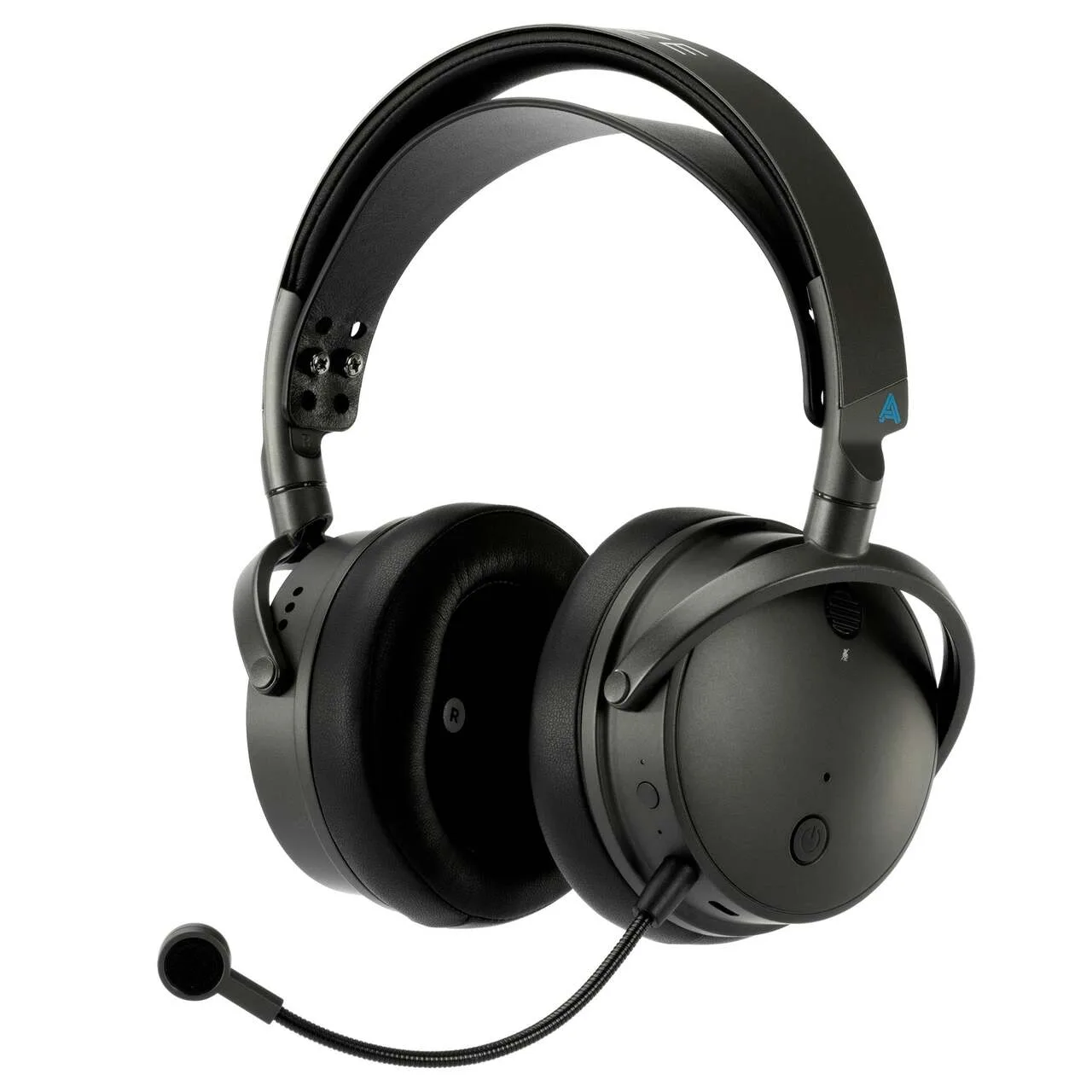
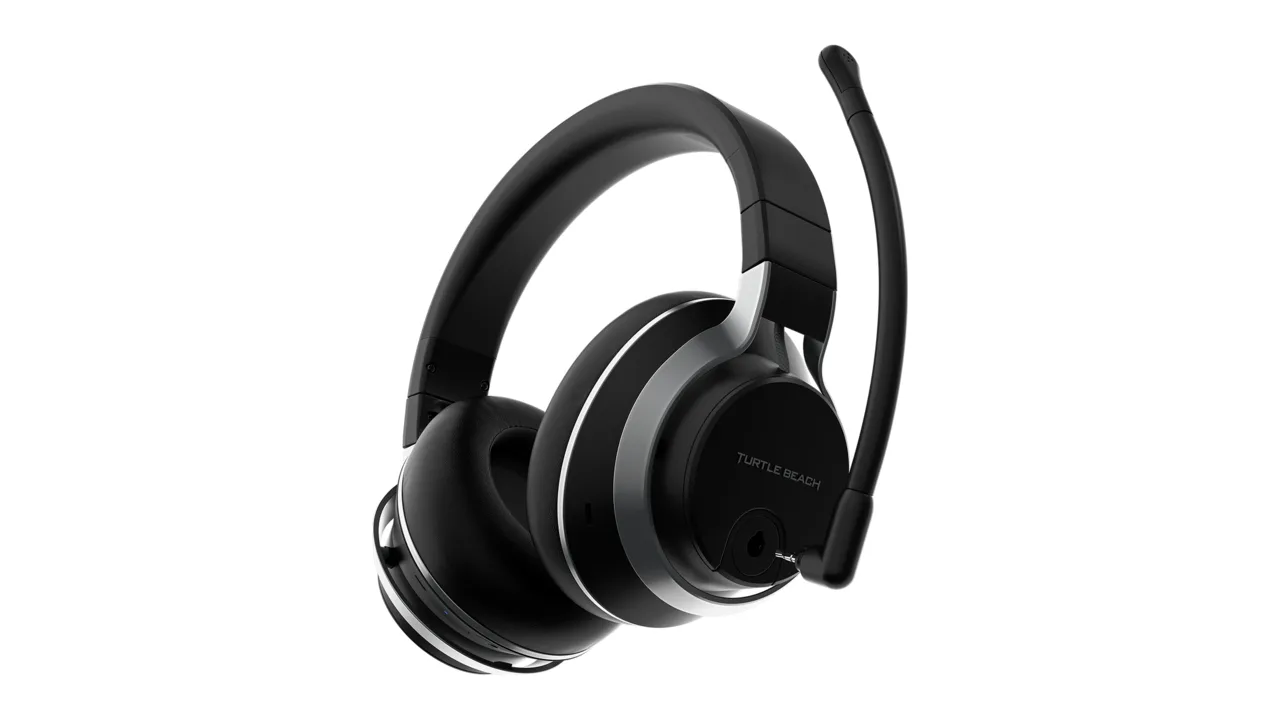
The Audeze Maxwell with its boom mic attached (Image: Audeze)The Turtle Beach Stealth Pro with its boom mic raised (Image: Turtle Beach)
Battery Life: Maxwell Runs Longer, Stealth Pro Never Has to Stop
The Maxwell is built for marathon sessions. Audeze rates it at 80 hours, and the battery can run well over 70 hours of continuous playback. Audeze also advertises 20 to 30 hours of play from a 20-minute charge. You cannot swap the battery, but you will rarely need to.
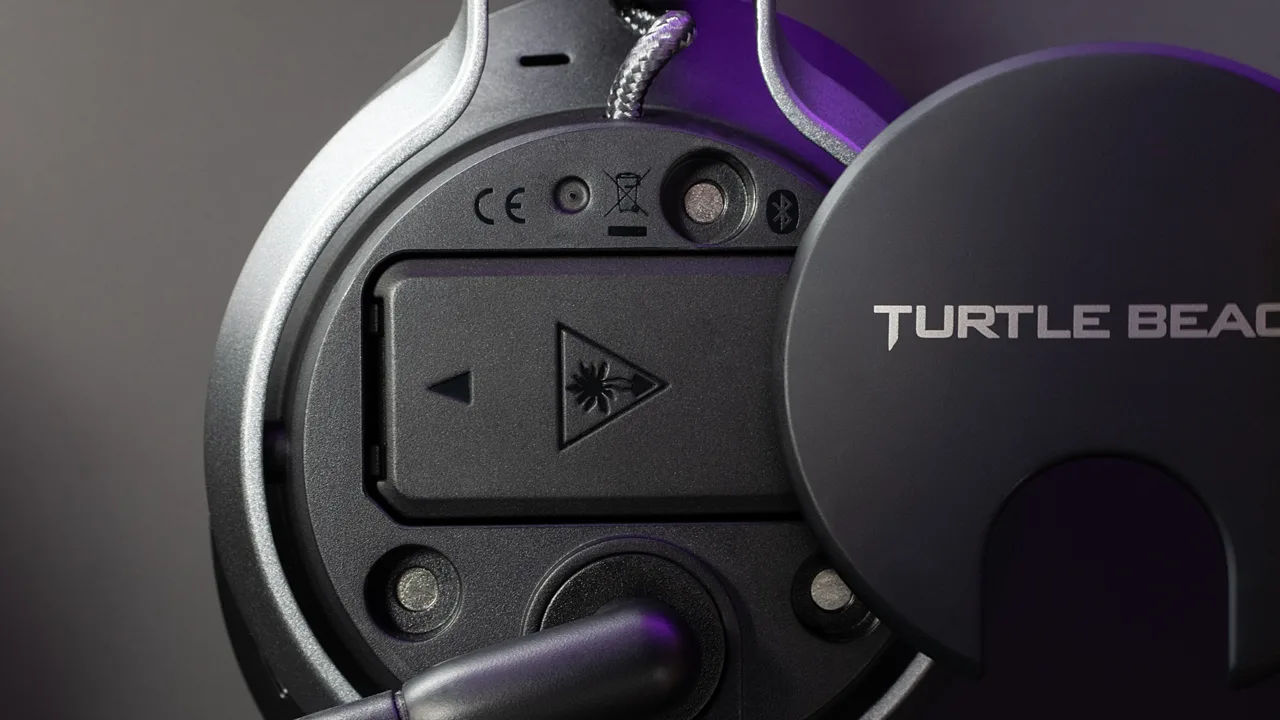
The Stealth Pro ships with two battery packs, each rated at 12+ hours and in practice a little longer. When one runs low, you swap in the other and charge the first on the transmitter dock, with no cable and no interruption. A quick 15-minute charge adds roughly three hours. That is less total runtime than the Maxwell, but it is the better setup if you want a headset that never goes flat mid-match.
The swappable battery compartment on the Stealth Pro (Image: Turtle Beach)
Connections and Latency: The Maxwell Is More Versatile
The Maxwell connects through a USB-C dongle, Bluetooth, a USB-C cable and a 3.5mm analog cable. It supports LDAC and Bluetooth LE Audio, and you can connect two devices at once, such as a console on the dongle and a phone on Bluetooth. Its dongle latency is low, so audio stays in sync with the picture.
The Stealth Pro is wireless only. It uses a 2.4GHz transmitter with up to 50 ft of range plus Bluetooth 5.1 with simultaneous dual connection, and it has no analog or USB audio fallback. Its dongle latency is higher than the Maxwell’s, which can show up as a slight lip-sync delay on PC. It does not support LDAC or LE Audio, so Bluetooth audio sticks to the basic SBC codec.
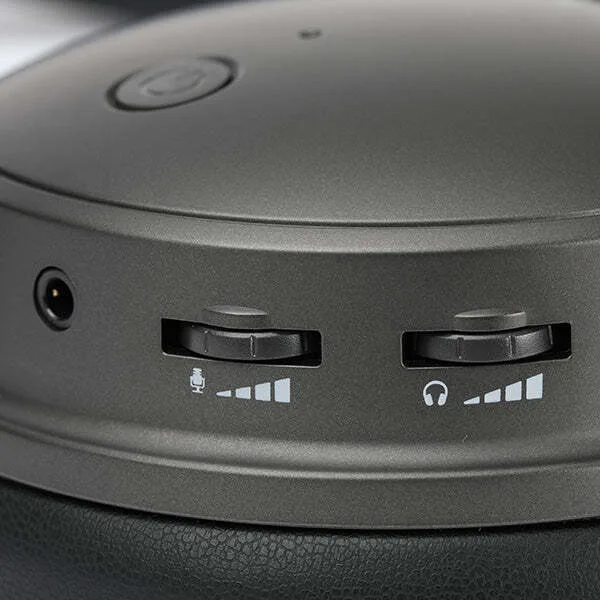
The Audeze Maxwell earcup controls, with separate headset and mic volume wheels (Image: Audeze)
Comfort and Build: Both Are Heavy, the Stealth Pro Is Easier to Live With
Neither headset is light. The Maxwell’s planar drivers add weight, and its leather ski-band headband only has three adjustment steps, so finding a fit can take effort and long sessions can cause fatigue. The build is metal-reinforced and feels premium.
The Stealth Pro is also bulky, yet its plush padding and headband cushioning are easier to wear for hours, and Turtle Beach designed the cushions to be glasses-friendly. Its steel-reinforced frame feels solid. Neither headset stays put during quick head movements, so both are desk and couch headsets, not gym headsets.
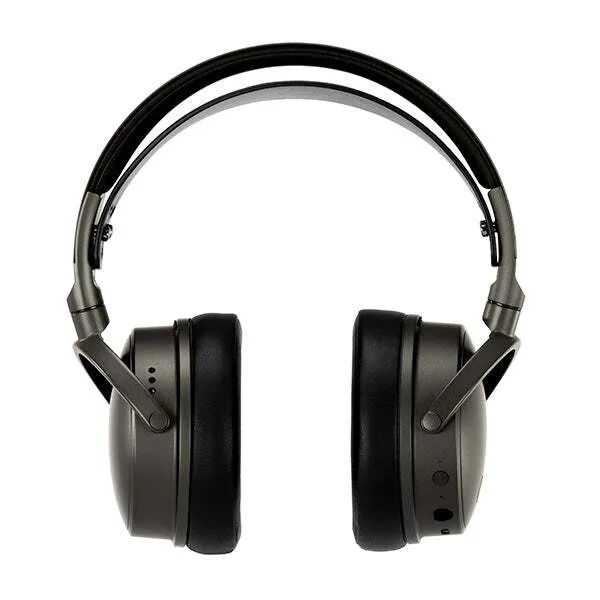
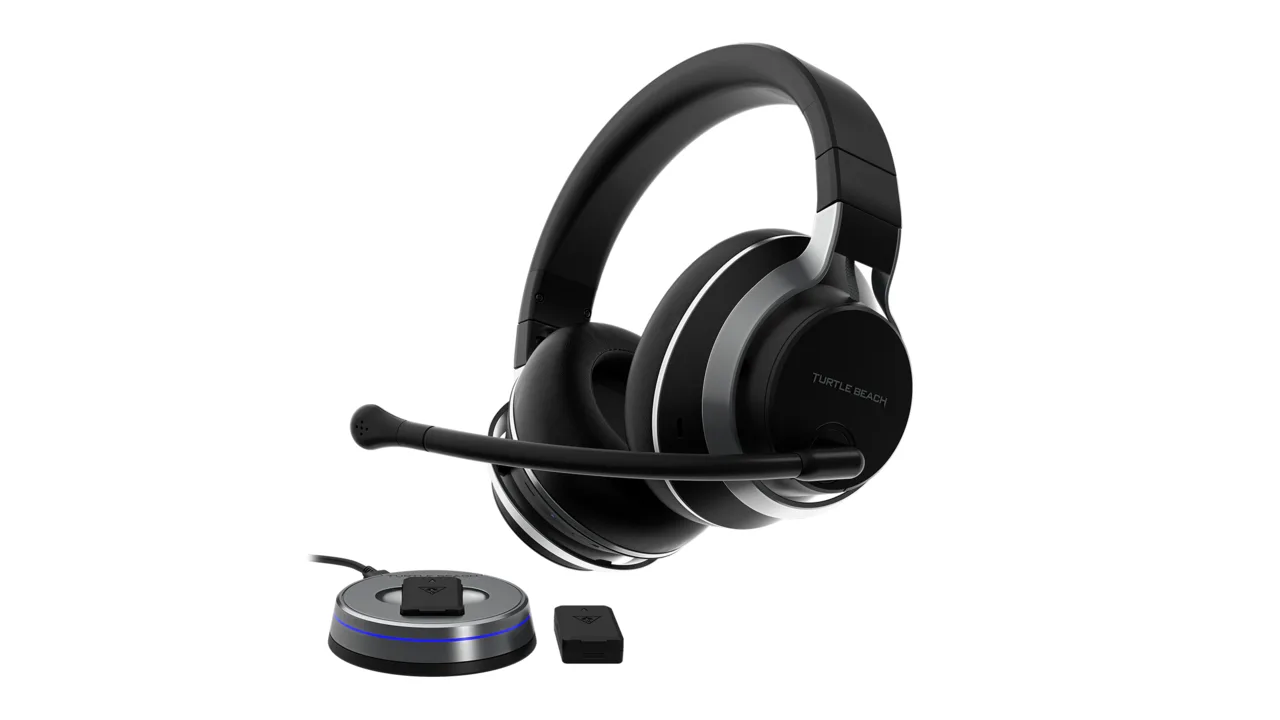
The Audeze Maxwell from the front, showing its earcups and headband (Image: Audeze)The Turtle Beach Stealth Pro with its base station (Image: Turtle Beach)
Console and Platform Support: Match the Edition to Your Console
Both headsets come in Xbox and PlayStation editions and work on PC. The Maxwell Xbox edition has full audio and mic support on Xbox, and the PlayStation edition is the one to buy for PS5 and PS4. Using the wrong edition can cost you features, and Audeze recommends matching the edition to the console.
The Stealth Pro Xbox edition works on Xbox, and a switch on its transmitter lets it work with PS5, PS4, PC, Mac and Nintendo Switch. A PlayStation edition is also sold. Either way, an Xbox edition on PlayStation needs the transmitter set to PC mode. An Xbox-edition Maxwell on PlayStation works through the dongle in PC mode too, but you lose game and chat mix control and get limited volume control.
Audeze Maxwell vs Turtle Beach Stealth Pro: Full Specs
Feature
Audeze Maxwell
Turtle Beach Stealth Pro
Drivers
Planar magnetic
50mm Nanoclear dynamic
Sound character
Warm, balanced
Bass-forward, shooter-tuned
Noise cancelling
No (passive isolation only)
Yes, variable ANC up to 25dB Wins
Microphones
Detachable boom + built-in
Detachable boom + two concealed mics
Mic clarity in noise
Very strong Wins
Good
Battery
Single battery, up to 80 hours rated
Two swappable packs, 12+ hours each
Hot-swap batteries
No
Yes Wins
Wireless
USB-C dongle + Bluetooth
2.4GHz transmitter dock + Bluetooth 5.1
Wired use
Yes (USB-C and 3.5mm analog) Wins
No
Bluetooth codecs
LDAC, LE Audio Wins
SBC
Dongle latency
Lower Wins
Higher
Software
Audeze HQ (PC and mobile)
Turtle Beach Audio Hub (PC and mobile)
Console editions
Xbox and PlayStation
Xbox and PlayStation
And the Winner Is…
WinnerAudeze Maxwell
The Turtle Beach Stealth Pro has features the Maxwell lacks: genuine noise cancelling, a transmitter dock with hot-swappable batteries, a sturdier boom arm and a cushier fit. If you game in a loud space or hate watching a battery meter, it earns its place. The Audeze Maxwell is still the better headset for most players, because it sounds more balanced, has the clearer mic, keeps latency lower, lasts longer between charges and works wired when you want it to. Its planar drivers make dialogue and effects both sound right, not just footsteps. Pick the Stealth Pro if noise cancelling or swappable batteries matter more than sound quality. Otherwise, the Maxwell is the safer buy.
Which Should You Buy: Audeze Maxwell or Turtle Beach Stealth Pro?
If you want the best everyday sound, a mic that holds up in a noisy room and a headset that also works over a cable, buy the Maxwell. If you want noise cancelling, never-ending battery swaps and a bass-heavy tune for competitive shooters, buy the Stealth Pro. In the Audeze Maxwell vs Turtle Beach Stealth Pro decision, the Maxwell is the better all-rounder, while the Stealth Pro is the better specialist. For cheaper options built around footsteps, see our guide to the best gaming headset for hearing footsteps.
I'm Sean, and I write the comparisons on GameCuki. I cover anything gamers weigh up before buying: consoles and handhelds, PC components and gaming laptops, monitors, controllers, headsets and accessories, plus subscriptions and services like Game Pass and PlayStation Plus. I put both options on the same checklist, using official specs, professional reviews and owner feedback, and I only mention what owners say when at least two of them report the same thing. Every comparison ends with one clear verdict and the type of player each option suits. I don't accept free products or payment from brands, and what I write comes from research, not my own use of the products. You can read my full process on our How We Review page.
Areas of Focus
Controller Match-UpsHeadset Match-UpsConsole vs. ConsoleSpecs & Latency